 mrsaynothing.dev
ollama d3 refuses to chat: the CPU bench ledger
Ollama's d3 scores tickets instead of talking. The 2b and 4b rungs on an 8-core CPU box: yes 98% in 0.8 s warm, a 64 KiB door fuse, and a verdict that wobbles.
Ollama's d3 scores tickets instead of talking. The 2b and 4b rungs on an 8-core CPU box: yes 98% in 0.8 s warm, a 64 KiB door fuse, and a verdict that wobbles.
Ollama v0.40.9 ships d3: four decision models from vLLM Semantic Router that return scored choices instead of chat. Sizes, memory, index scores, fine print.
The e2e suite expected 401 and got 429 — the daily IP cap had spent the day's budget on earlier runs. The wall, built as a machine: twelve window slots, a tape that remembers, an arm that drops at three.
Both shipped this week. One is the engine room, one pins it with a warranty — and the speed gap you are hunting lives in your config, not the wrapper.

Paths, excludes and bandwidth in, a paste-ready command out — dry-run by default, and every --delete ships with a dated backup net that makes the mirror reversible.

A field guide in five spreads: the same Qwen3-0.6B weighs in three ways, opens to show its first bytes, forgets on purpose at 4-bit, and picks its shelf — carry one crate the whole way and the page remembers yours in the verdict.
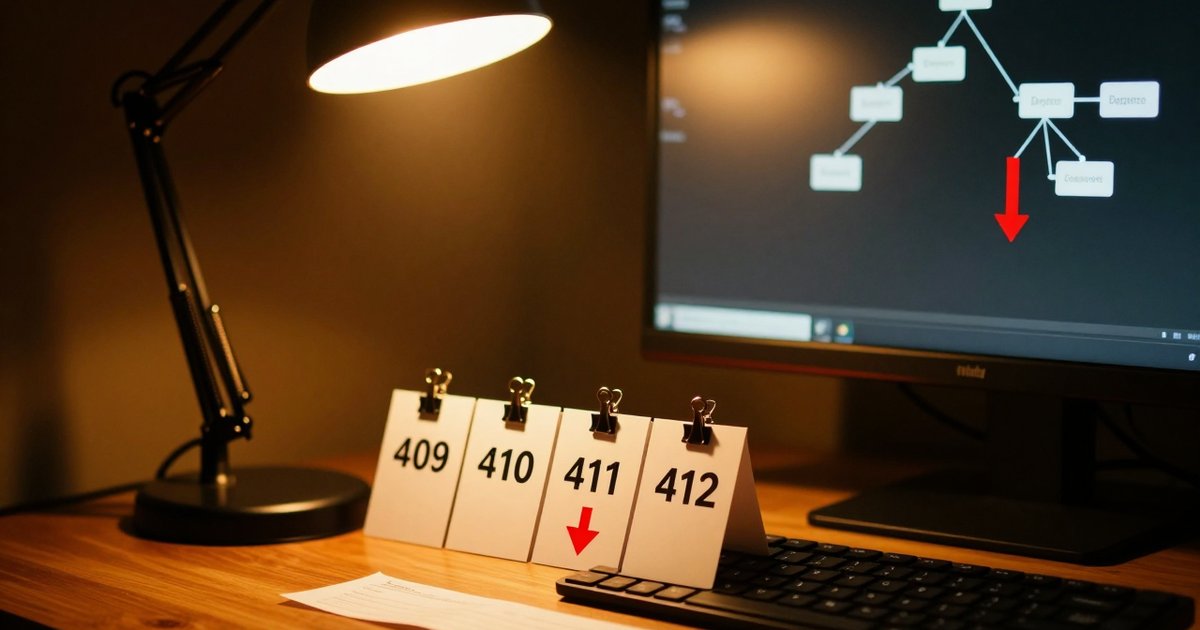
Two weeks, +216 stars and one release later: worktree colocation makes the trial cheaper, cross-workspace undo is refused by default — and the bench is still owed.
The docs say OS: Linux — WSL2 is the supported road, the native fork costs the fork tax, and Ollama was probably your real answer anyway.
Can you run vLLM on Windows? Not natively — the official docs list one OS: Linux. The WSL2 path that works, the fork tax for skipping it, and when Ollama is the honest answer.

The FAQ for every spelling of 'undo my commit but keep the work' — one command answers the family, and the only flag that deletes work is never required.

Every keep-changes query on our own search board — undo, cancel, revert — answered on one page: the command per mess, the --hard trap, and reflog as the net.
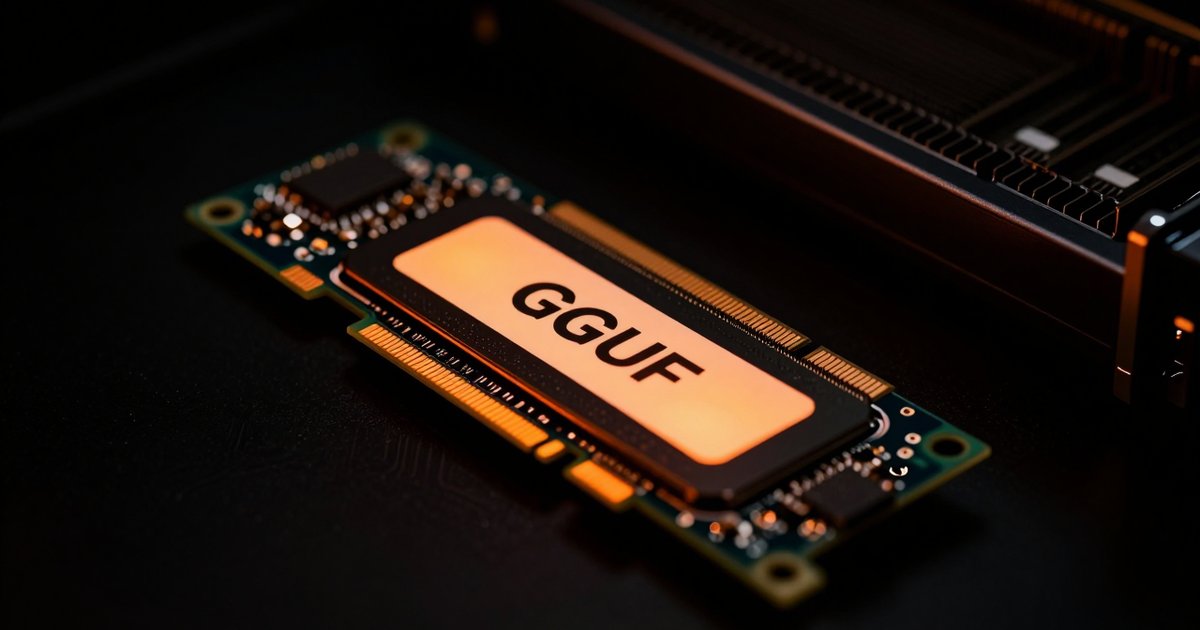
The FAQ hub: plugin yes, GPU only, repo:quant_type plus the tokenizer that is never optional — every answer before the explanation.
Ten real search questions about vLLM and GGUF — CPU support, serve syntax, quant coverage, the tokenizer trap — answered from the docs and our tested posts.

No reasons, no verification by consensus, licence walls, silent printed limits, unproven calibration — the wave scoped, not killed.

Two of the six new local decision models are non-commercial, none of them explain themselves, and the confidence number is a claim until you bench it. The wave, read against the grain.
Tiny models answer yes-or-no with the odds attached — the six local checkpoints, the licence trap, and why 0.51 and 0.99 are different decisions.
Tiny models that answer yes-or-no questions with a probability on every option — the Jev decision wave, read from the release record, not the bench.
Ollama's repo root names its engine's build — it runs llama.cpp, pinned at b11351 while upstream shipped b11443 the same morning. The record, read not run.
The record read, not run: Ollama pins its llama.cpp engine at b11351 while upstream ships b11443. One is an appliance, one is the engine room.

Same tree, two histories — the bench run where 5d48940 came back as 6b2be0a, the shared-branch warning, and the reflog exit when the wrong one wins.

Merge or rebase, one question decides: did the commit leave your machine? The decision table, the fast-forward case, and the reflog fix when a rebase goes wrong.

28 days of every number a launch post would leave out — the 897-to-2 Google gutter, the one post that carried the site, and the misses in the same list.

Weights, KV cache and a per-card verdict from three inputs you can re-derive by hand — the 8B '8-GB-card model' that misses by 23%, explained and run live.

Model size, quant and context in — weights, KV cache and a per-card verdict out. The GGUF VRAM calculator answers will-it-fit before the download starts.
One curl splits the problem in half — server-side causes ranked, the container localhost trap, the LAN bind, and the stray instance that steals the port.